Make Slowly. Stress Less.
Whether you’re just picking up your first pair of needles or you’ve been knitting for years, we’ve got you covered. Find our original patterns, yarn care guides, and tutorial videos right here — free, always.
Our Patterns
Find the patterns offered in our kits.
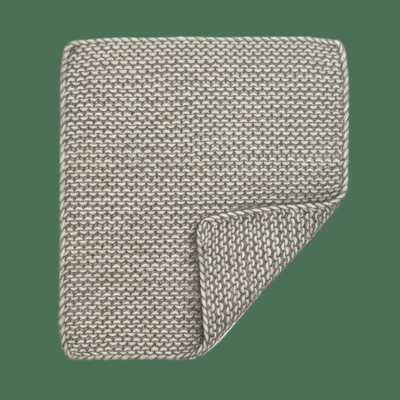
The Face Cloth
Skill Level: Beginner
A handmade facecloth pattern with two variations. Both easy. Both lovely.
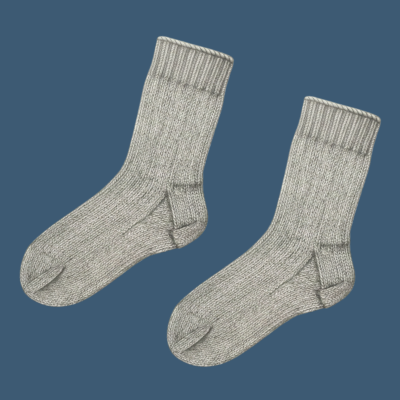
The Socks
Skill Level: Adventurous Beginner
A simple sock to showcase beautiful yarn. Great for learning the Magic Loop method.

The Scarf
Skill Level: Beginner
A skill builder pattern creating a beautiful scarf. Great for learning color changing.
Free Sock Yarn Patterns
We’re currently featuring beautiful sock yarn skeins at our pop-ups. Here are some recommended patterns for one, two, or three skeins.
One Skein
Two Skeins
- Avenue Scarf
- La Bise Shawl
- One Skein Shrug (2 needed for some sizes)
- Tendril Shawl (Crochet, 1-2 skeins)
- Wavy Mitts & Cap (Crochet)
Three Skeins
Curated Videos
Sometimes the easiest way to learn is to see knitting in action. We have selected these videos to help you on your journey.
Videos to Help You Get Started
How to Knit for Total Beginners
How to Knit the Garter Stitch
Stockinette Stitch for Beginners
Additional Playlists
Keep Your Fiber Happy
Good yarn deserves good care. Here’s how to wash, store, and love what you make.
How to Wash Your Hand Knits
Machine washing knits — even on a gentle cycle — can cause felting, stretching, or distortion. Hand washing takes five minutes and keeps your pieces looking new.
Fill a basin or clean sink with cool or lukewarm water (never hot) and add a small amount of wool wash or mild dish soap. Submerge the piece and gently squeeze water through it. Don’t rub, wring, or agitate — that’s what causes felting. Let it soak for 10–15 minutes.
Drain the basin and refill with clean water at the same temperature. Squeeze gently to rinse. Repeat until no soap remains. Sudden temperature changes can shock wool fibers and cause shrinkage, so keep the rinse water close in temp to the wash water.
To remove excess water, lay the item flat on a clean towel, roll the towel up around it, and press firmly. Never wring. Then unroll, reshape the piece, and lay it flat to dry away from direct sunlight or heat.
Blocking Basics for Beginners
Blocking is the process of wetting your finished knit and pinning or shaping it to its final dimensions while it dries. It evens out uneven stitches, opens up lace, straightens edges, and makes seaming much easier. Most knitters are amazed at the transformation.
What you need: A blocking mat or folded towels, rust-proof pins, and your finished piece.
Wet blocking (most common for wool): Soak the piece in cool water for 20–30 minutes until fully saturated. Gently squeeze out excess water using the towel-roll method, then lay it on your mat. Pin it to your pattern’s finished measurements, stretching or easing as needed. Leave it until completely dry — often overnight.
Steam blocking (good for acrylic): Hold a steam iron a few inches above the piece without touching it. The steam relaxes the fibers. Let cool before moving.
Spray blocking (for light shaping): Pin first, then spritz with water and let dry.
Natural fibers like wool, alpaca, and cotton block beautifully. Acrylic responds best to steam. Check your yarn label — some synthetics don’t respond to blocking at all.
How to Store Yarn So It Stays Fresh
Yarn is vulnerable to two main enemies: moths and moisture. A little care in storage prevents a lot of heartbreak.
Keep yarn in a cool, dry place away from direct sunlight, which fades color over time. Breathable containers — open bins, fabric bags, or cotton pillowcases — work better than sealed plastic bags, which can trap moisture and cause mildew. If you live in a humid climate, a cedar block (not moth balls, which are toxic and smelly) in your storage area helps deter pests.
Before storing a yarn you’ve already used, seal it in a zip-lock bag to isolate it from the rest of your stash — just in case.
Don’t store yarn in compressed stacks for long periods. Keeping skeins loosely wound (not tightly balled) prevents fiber stress and distortion, especially in delicate fibers like alpaca or cashmere.
For long-term storage of special skeins, add a lavender sachet or cedar rings. Check stored yarn once a season — especially wool — for signs of moths, which look like small holes or a fine dusty residue.
What Yarn Labels Actually Mean
Yarn labels pack a lot of information into a small space. Here’s how to read them.
Weight indicates thickness: lace, fingering, sport, DK, worsted, bulky, and super bulky are the most common. A heavier weight means a larger needle and a chunkier fabric.
Gauge tells you how many stitches and rows a “standard” knitter gets per 4 inches using the recommended needle size. This is a target, not a rule — your gauge may differ, which is why you always swatch.
Needle size is a recommendation, not a requirement. Use whatever size gets you the correct gauge for your project.
Fiber content matters for care, feel, and behavior. 100% wool is warm and elastic; cotton is cool but has no stretch; acrylic is durable and machine-washable; blends combine properties.
Yardage vs. weight — the label shows both grams (or ounces) and meters (or yards). When substituting yarn, match yardage, not weight. Two 100g skeins of different yarns can have very different yardages.
Care symbols follow international textile standards. A basin with a hand = hand wash only. An X through a circle = do not dry clean. A square with a circle = tumble dry safe. When in doubt, hand wash cold and lay flat to dry — it’s the safest default for almost any knit.
Slow Stitch Revolution
Mobile fiber arts shop. Bringing yarn to the mountains.
Conifer | Pine | Bailey | 285 corridor
Contact
slowstitchrevolution@gmail.com